
Ashwagandha: Complete Guide to Benefits, Side Effects & Safe Usage
Modern people live under constant high pressure, suffering widely from sub-health problems such as anxiety, insomnia, physical and mental fatigue, and endocrine disorders. As a classic Ayurvedic adaptogenic herb, Ashwagandha, also known as Winter Cherry or Indian Ginseng, has become one of the world’s most popular dietary supplements for its natural and gentle balancing effects.
Many people buy it blindly without understanding its real effects, contraindications, and dosage mistakes. This comprehensive guide covers all core knowledge about Ashwagandha, helping you judge whether it is suitable for you and how to take it scientifically.

1. Core Health Benefits of Ashwagandha
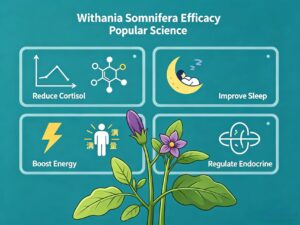
As a natural adaptogen, Ashwagandha helps the body resist stress and balance the endocrine system instead of simply relieving single symptoms. Its main benefits include:
– Effectively lowering cortisol (stress hormone), relieving long-term mental tension, overthinking and unexplained anxiety
– Calming mood, easing irritability, and stabilizing emotional fluctuations
– Improving difficulty falling asleep, frequent waking, and light sleep; enhancing deep sleep quality
– Relieving chronic fatigue, boosting daily energy, and reducing exhaustion from long sitting and overwork
– Gently supporting thyroid function and balancing hormone levels to improve endocrine imbalance
– Assisting in maintaining healthy blood pressure and cholesterol; providing anti-inflammatory and antioxidant protection for cardiovascular health
– Protecting nerve cells, reducing brain fatigue, poor concentration and memory decline
– Strengthening immunity; improving stress acne, dull skin and sensitive redness
– Regulating male hormone levels and enhancing physical stamina and reproductive wellness
2. Physical Changes When Taking Ashwagandha Daily
With consistent use, your body will experience gradual, mild and long-term improvements:
– 1–2 weeks: Your mood becomes calmer, overthinking reduces, you fall asleep faster, and nervous anxiety is noticeably relieved.
– 3–8 weeks: Stress resilience improves, morning fatigue fades, emotions become more stable, and daily exhaustion is greatly reduced.
– Long-term use: Cortisol stays balanced, sleep quality remains steady, endocrine functions stabilize, and overall sub-health conditions are significantly improved.
Most healthy people tolerate Ashwagandha well. Only a small number of sensitive individuals may experience slight drowsiness or mild stomach bloating temporarily.
3. Side Effects & Adverse Reactions
Ashwagandha is generally safe and well-tolerated at standard doses. Side effects are usually mild and temporary.
Common Mild Side Effects
Drowsiness, dizziness, fatigue; bloating, acid reflux, mild diarrhea — mostly caused by taking it on an empty stomach or physical sensitivity.
Less Common Reactions
Palpitations, restlessness, or paradoxical insomnia; hormone fluctuations causing acne; emotional numbness from long-term high-dose use; very rare allergic skin rashes.
If you experience persistent palpitations, severe insomnia, severe stomach pain or skin rashes, stop taking it immediately — symptoms will gradually subside.
4. Who Should Never Take Ashwagandha
These groups must avoid Ashwagandha completely to prevent health risks:
– Pregnant, breastfeeding and preparing-for-pregnancy women
– Children and teenagers under 18 (endocrine system not fully mature)
– People with low blood pressure, frequent dizziness or hypoglycemia
– Autoimmune disease patients (lupus, rheumatoid arthritis, Sjögren’s syndrome, etc.)
– People taking thyroid medication
– Those with severe depression, bipolar disorder and other mental health conditions
– Patients within 2 weeks before and after surgery (mild blood-thinning effect)
5. Medicines & Supplements Not to Take With Ashwagandha
Avoid combining Ashwagandha with the following to prevent interactions and physical discomfort:
– Psychiatric drugs: SSRI antidepressants, anti-anxiety medication, sedative sleeping pills
– Sleep-support supplements: Melatonin, GABA, Valerian root, benzodiazepine-based drugs
– Chronic disease medication: Blood pressure pills, blood sugar drugs, anticoagulants such as Warfarin
– Hormone treatments: Prescription thyroid medicine and high-dose hormones
– Others: Alcohol, strong tea and high-concentration coffee — they counteract calming effects and may worsen palpitations.
If you are taking any prescription medicine, consult a professional doctor before using Ashwagandha. Do not combine it on your own.
6. Best Time & Scientific Way to Take Ashwagandha
Best Timing
– For daily stress & anxiety relief: Take with breakfast to stabilize mood without causing daytime drowsiness.
– For insomnia & nighttime anxiety: Take after dinner or 1 hour before bedtime to relax the body and support sleep.
– Key rule: Never take on an empty stomach, as it may irritate the stomach and cause bloating or acid reflux.
Safe Cycle of Use
Long-term uninterrupted use is not recommended, to avoid physical dependence and endocrine interference.
The safest method: Take continuously for 3 months, then pause for 2–4 weeks, and repeat the cycle for long-term safe benefits.
7. Frequently Asked Questions
Is it safe to take Ashwagandha every night?
For most healthy adults, short-term nightly intake is safe and effective for insomnia and anxiety.
However, people with low blood pressure, weak constitution or easy daytime drowsiness should not take it every night, as it may cause tiredness the next day.
How long does Ashwagandha take to work?
– Sensitive users: Feel relaxation and tension relief on the very first day.
– Noticeable improvement in sleep and anxiety: 2–4 weeks.
– Full balance of endocrine, cortisol and physical conditioning: 6–12 weeks.
Ashwagandha is a gentle balancing herb, not a fast-acting medicine — consistent use is required.
Is Ashwagandha safe for the liver and kidneys?
At standard doses, it has no liver or kidney toxicity and is safe for healthy people.
Those with severe liver or kidney disease or long-term medication use should follow a doctor’s advice.
Can I take Ashwagandha with Vitamin D or Magnesium?
Yes — they are perfect combinations:
– Ashwagandha + Vitamin D: Synergistically boosts immunity, stabilizes mood and improves sleep.
– Ashwagandha + Magnesium: Enhances nerve relaxation, relieves muscle tension, and doubles anti-anxiety and sleep benefits — ideal for high-stress people.
Does Ashwagandha affect the heart or cause palpitations?
For healthy people at normal doses, it helps reduce stress, stabilize heart rate and protect cardiovascular health.
Palpitations only rarely happen with excessive dosage or high physical sensitivity, and will recover after reducing or stopping intake.
Are there withdrawal symptoms after stopping Ashwagandha?
Ashwagandha is non-addictive with no rebound withdrawal. After stopping, your sleep, mood and stress resilience will slowly return to your natural baseline without discomfort.
Can I take Ashwagandha non-stop long-term?
No. Long-term continuous intake may slightly interfere with the endocrine axis and lead to emotional numbness or hormone imbalance. Cyclic pause usage is much safer.
8. Final Verdict: Should You Take Ashwagandha?
✅ Suitable for:
Adults under long-term stress, overthinking, insomnia, mood swings, daily fatigue, sub-health state, and those with slightly high blood pressure or cholesterol looking for natural balance.
❌ Not suitable for:
Pregnant women, children, autoimmune patients, people taking psychiatric / blood pressure / blood sugar / thyroid medicine, and those with low blood pressure and weak health.
Ashwagandha is an excellent natural herbal supplement. When taken in the right dosage and cycle, it effectively improves sub-health conditions. However, it cannot replace prescription medicine for chronic or mental diseases. Use it rationally and scientifically for the best results.
Disclaimer: This article is for dietary supplement knowledge only and does not constitute medical advice. If you have underlying diseases, are pregnant, or taking medication, please use supplements only under professional medical guidance.
SEO Title & Meta Description (English Ready for Website)
English SEO Title
Ashwagandha: Complete Guide to Benefits, Side Effects & Safe Usage
English Meta Description
Comprehensive Ashwagandha guide covering its stress relief and sleep benefits, side effects, contraindicated groups, drug interactions, dosage time and safe intake cycle.