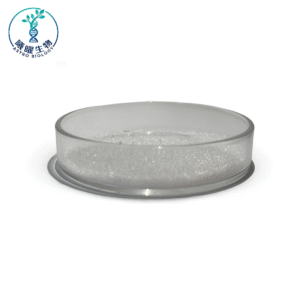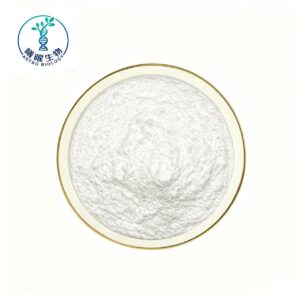
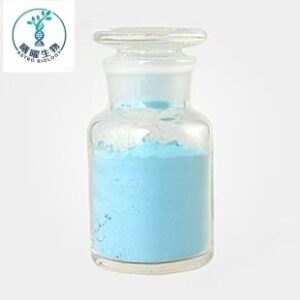
Category: Supplement Ingredients
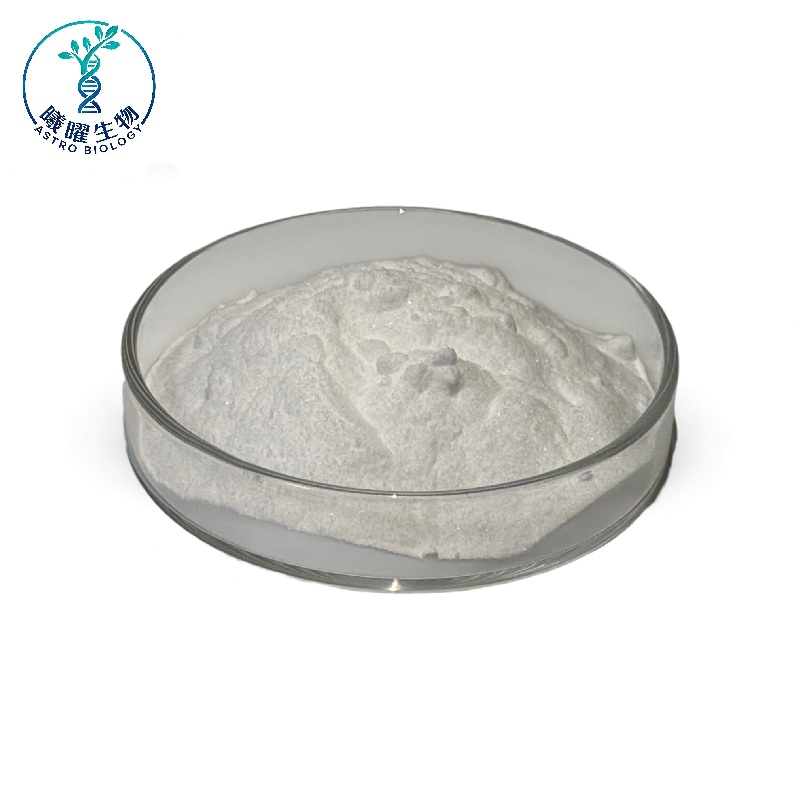
Magnesium Bisglycinate – Regulatory Compliant Chelated Magnesium Raw Material
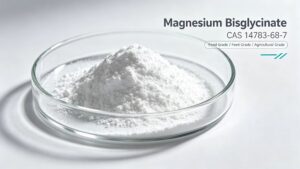
1. Basic Product Information
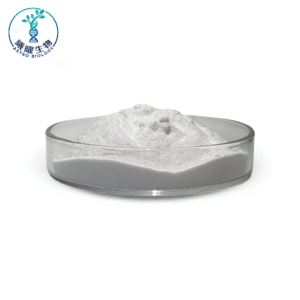
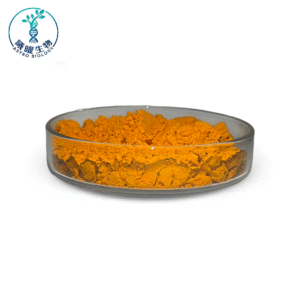
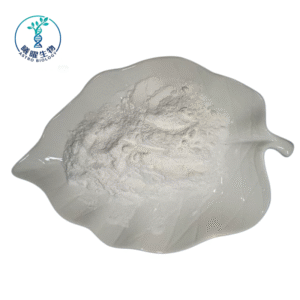
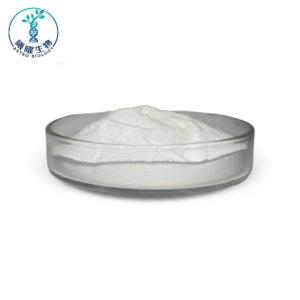
Also known as magnesium bisglycinate, magnesium glycinate is an organic magnesium compound synthesized via chelation technology. Magnesium ions bind stably with glycine to form a cyclic molecular structure featuring stable physical and chemical properties. It is a standardized magnesium source widely applied in global nutritional raw materials, feed additives and agricultural trace element sectors.
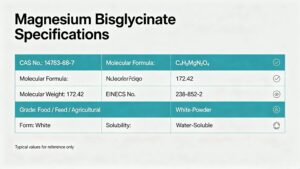
2. Molecular Structure & Physicochemical Properties
The chelated structure can encapsulate magnesium ions stably under acid and alkaline conditions, reducing precipitation and decomposition during digestion or dissolution. The powder features good flowability, low caking tendency and strong oxidation resistance. It is compatible with various industrial production processes including powder blending, tableting, premix preparation and water-soluble fertilizer formulation, matching most conventional formula systems.
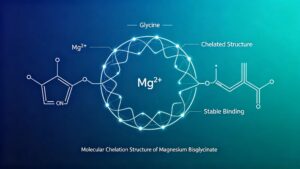
3. Core Physicochemical Advantages
3.1 Favourable Bioavailability
Compared with inorganic magnesium salts such as magnesium oxide and magnesium carbonate, the chelated structure of magnesium bisglycinate lowers the probability of magnesium ions precipitating after binding with intestinal substances, delivering improved bioavailability and suiting formula designs requiring long-term supplementation.
3.2 Mild Compatibility to Reduce Risk of Gastrointestinal Discomfort
High dosage of magnesium salts like magnesium citrate may easily trigger intestinal irritation. Magnesium bisglycinate presents lower irritation and better long-term tolerance for human beings and livestock, making it suitable for developing sensitive formulas.
3.3 Multi-scenario Regulatory Compliance to Simplify Procurement
A single raw material covers three major sectors: nutritional fortification in food, trace element supplementation for animal feed and water-soluble foliar fertilizer for crops. It complies with raw material additive standards in multiple countries, helping buyers streamline supply chain categories and cut costs of procurement and storage.
3.4 Consistent Batch Quality with Complete Compliance Documents
Manufactured on standardized production lines with strict control over heavy metal and microbial indicators. A Certificate of Analysis (COA) is provided for every batch. Certifications including ISO, HALAL and KOSHER can be supplied upon request to support registration for markets across Europe, America, Southeast Asia and beyond.
4. Compliant Application Fields
4.1 Raw Material for Functional Food & Dietary Supplements
Magnesium is an essential mineral element supporting normal physiological functions of human nerves and muscles. As a mineral fortificant, magnesium bisglycinate is applied in daily nutritional powder, capsules and solid beverage formulas.
Glycine is an endogenous amino acid in human bodies. The combination of glycine and magnesium can be used in nutritional formulas targeting relaxation and maintaining regular rest status.
Note: Any physiological-related labelling on finished end products shall comply with food regulations of target markets. This product is only a basic raw material.
4.2 Feed Additive for Livestock & Aquaculture
Serving as a trace magnesium supplement for livestock and aquaculture premixes, it supplies magnesium required throughout the growth cycle of breeding animals, sustains their basic metabolism and supports steady growth without harmful residues. It meets feed additive standards in the EU and North America.
4.3 Water-soluble Trace Element Raw Material for Agriculture
Widely adopted in green planting foliar and flushing fertilizer formulas in Europe and America. Magnesium is a fundamental component of plant chlorophyll. Supplementing magnesium bisglycinate can assist in laying a sound foundation for crop photosynthesis and facilitate normal plant growth, acting as a pollution-free mineral trace element adjuvant.

5. Basic Physiological Explanation
Magnesium contained in magnesium bisglycinate participates in fundamental metabolism, nucleic acid synthesis and cellular antioxidant-related physiological processes in organisms. Glycine is an endogenous amino acid involved in normal nerve signal transmission. The chelated complex works as a composite mineral raw material for basic supplementation in various nutritional formulas.
Disclaimer: The content herein is only popular science covering basic physicochemical properties and physiological mechanisms of the raw material. It does not constitute any statement related to physical conditioning, disease diagnosis or treatment, and shall not replace pharmaceutical products.
6. Procurement FAQ
Q1: What are the differences between magnesium bisglycinate, magnesium citrate and magnesium oxide for product selection?
A: Distinctions exist in molecular structure, gastrointestinal tolerance and absorption performance:
1. Magnesium oxide: Low-cost inorganic magnesium salt with relatively low bioavailability;
2. Magnesium citrate: Good water solubility yet likely to cause intestinal irritation at high addition levels;
3. Magnesium bisglycinate: Organic magnesium via amino acid chelation with superior absorption and better gastrointestinal tolerance, mostly adopted for mid-to-high end nutritional formulas.
Buyers may select materials based on end product positioning, dosage and target consumer groups.
Q2: Is magnesium bisglycinate eligible for export to European and American markets?
A: Our food-grade and feed-grade magnesium bisglycinate meets FDA and EU standards for food raw materials. We provide full sets of documents including COA and third-party test reports, as well as HALAL/KOSHER certifications to support raw material registration for overseas brands.
Q3: What finished products can be manufactured with magnesium bisglycinate?
A: Nutritional magnesium powder, magnesium capsules & tablets, compound solid drinks, compound premixed feed for livestock, water-soluble foliar fertilizers for fruits and vegetables, etc.
Q4: Why do overseas brand manufacturers generally choose chelated magnesium bisglycinate?
A: Global end-market demand for mild, highly compatible mineral raw materials keeps rising. Magnesium bisglycinate boasts strong formula compatibility and excellent consumer tolerance, enabling brands to develop differentiated clean-label product lines.
7. Cooperation Information for Procurement
We maintain stable bulk stock of magnesium bisglycinate all year round. Customized fineness and packaging specifications are available upon demand. We support sample delivery, third-party testing coordination and full export document preparation. Raw material manufacturers of dietary supplements, feed enterprises, agricultural chemical traders and formula brands worldwide are welcome to enquire for samples and negotiate long-term stable supply partnerships.