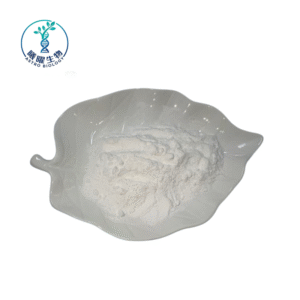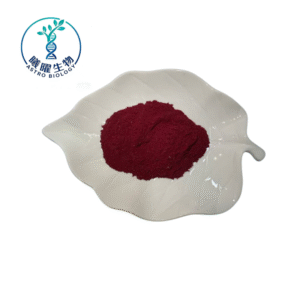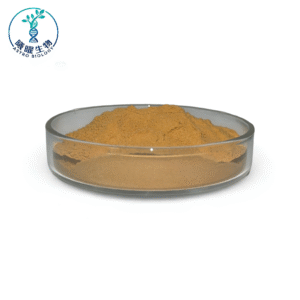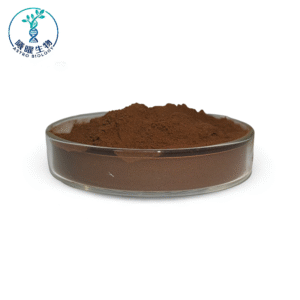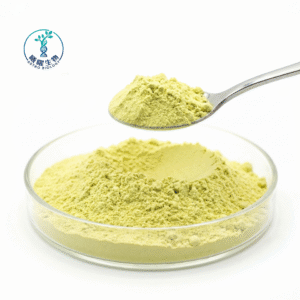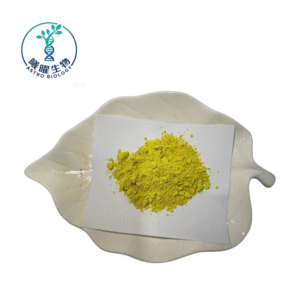
Category: Hot-Selling Extract
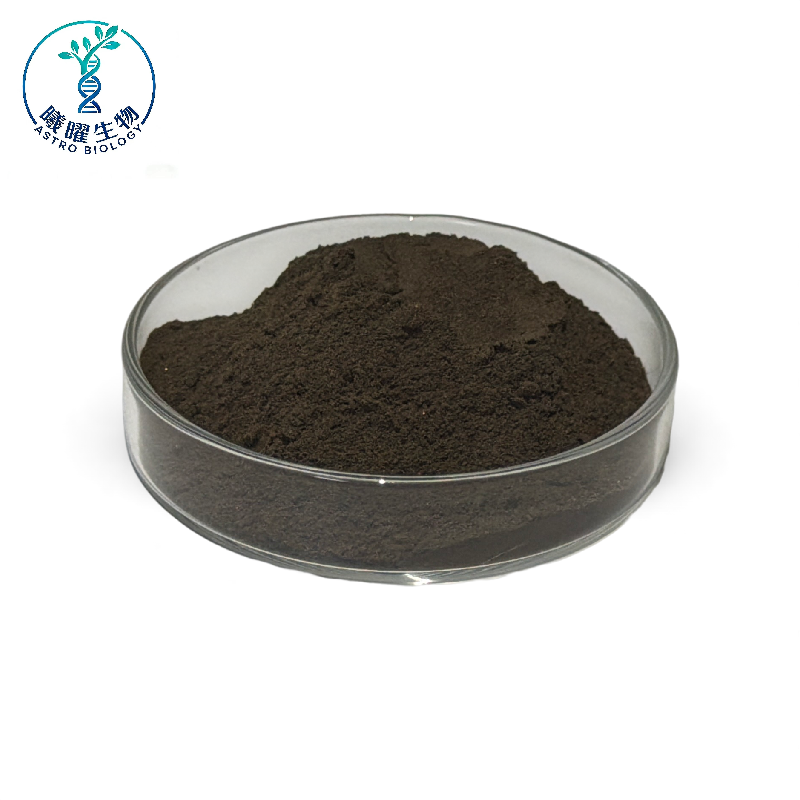
Emodin (Emodin) Product Introduction
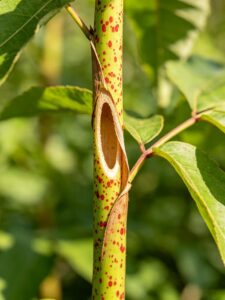
Emodin, also known as chrysophanol‑A, is a natural anthraquinone active ingredient extracted from the dried rhizomes and roots of Polygonum cuspidatum and Rheum palmatum of the Polygonaceae family. As a high‑value natural plant‑derived raw material with broad‑spectrum biological activities, it is widely applied in pharmaceuticals, health supplements, daily chemicals and natural pigments. It is also commonly used as a mild laxative in overseas markets with diverse applications and stable market demand.
Core Biological Activities
– Anti‑tumor: Inhibits the growth of tumor cells such as leukemia and gastric cancer
– Broad‑spectrum Antibacterial & Antifungal: Effectively inhibits various bacteria, fungi, viruses and protozoa including staphylococcus, streptococcus, Escherichia coli, dysentery bacillus and dermatophytes, with prominent inhibitory effects on cocci
– Immunomodulation: Regulates body immunity and suppresses abnormal immune responses
– Antispasmodic & Antitussive: Relieves smooth muscle spasms and alleviates cough
– Cardiovascular Protection: Assists in lowering blood pressure, resisting arteriosclerosis and preventing restenosis after coronary intervention
– Diuretic & Cholagogic: Promotes urination and bile excretion to support liver and gallbladder metabolism
– Other Activities: Inhibits histamine action and LTB4 synthesis, suppresses proliferation of human renal fibroblasts and regulates in‑vitro proliferation of keratinocytes
In‑vivo Metabolism Characteristics
– Well absorbed orally, with peak blood concentration achieved 2‑3 hours after administration, followed by gradual metabolism and decline
– Peak concentration in urine and bile occurs 4‑8 hours after oral administration; urinary excretion lasts for up to 2 days
– Mainly distributed in the liver and kidneys
– Available in oral preparations and injections for intramuscular and intravenous administration
– Its metabolite chrysophanol changes urine color: brownish‑yellow in acidic urine and purplish‑red in alkaline urine
Application Fields
Pharmaceutical & Clinical Applications
– Infectious Diseases: Japanese encephalitis, mumps, typhoid fever, dysentery, urinary tract infection, gonorrhea, pneumonia, otitis media, cellulitis, pyogenic and fungal skin diseases, etc.
– Digestive Disorders: Hepatitis, indigestion, enterobiasis, stomatitis and cheilitis; compatible with other drugs for acute and subacute appendicitis and burns
– Cardiovascular Diseases: Hypertension and arteriosclerosis; prevents restenosis after vascular intervention
– Other Conditions: Eczema, poliomyelitis, vasculitis; used as adjuvant therapy for tumors including leukemia and gastric cancer
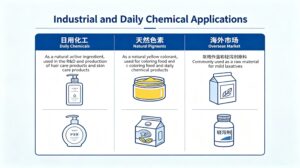
Industrial & Daily Chemical Applications
– Daily Chemicals: Natural active ingredient for hair care and skincare products
– Natural Pigment: Natural yellow colorant for food and daily chemical products
– Overseas Application: Widely used as raw material for mild laxatives
Safety Precautions
– Low overall toxicity with good safety profile
– Contraindication: Forbidden for pregnant women as it may cause miscarriage