
Complete Butterfly Pea Flower Guide: Benefits, Uses and Contraindications
Butterfly pea flower is named for its butterfly-shaped blooms and stunning blue-purple color when brewed. As a globally popular natural health ingredient and food colorant, it is widely used for herbal tea and finely ground butterfly pea flower powder for baking and culinary creation. However, many people remain confused about its consumption taboos, suitable crowds and correct usage. This article comprehensively explains all key knowledge about butterfly pea flower, helping you consume this natural ingredient in a scientific and safe way.
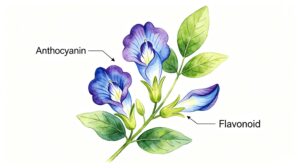
1. Benefits of Butterfly Pea Flower Tea: Rich in Natural Nutrients
Butterfly pea flower is loaded with anthocyanins, flavonoids and other powerful natural antioxidants, forming the core of its health and nutritional value.
When consumed in moderation, butterfly pea flower tea effectively eliminates free radicals, delivers anti-aging effects and improves skin condition. Caffeine-free and mild in nature, it relieves nerve tension and anxiety, and helps improve sleep quality if taken one hour before bedtime. Its active ingredients boost blood circulation and regulate metabolism, offering gentle support for cardiovascular health with a balanced diet.
In addition, it acts as a natural pH indicator, turning vivid purple when mixed with acidic ingredients such as lemon. With outstanding visual appeal, it serves as a healthy, additive-free natural pigment to replace artificial colors for creative drinks and desserts.
2. Disadvantages of Butterfly Pea Flower Tea
Despite its multiple health benefits, butterfly pea flower tea has certain drawbacks.
First, it is cold in nature. Long-term and excessive intake may increase internal cold, causing stomach upset, diarrhea and cold hands and feet, especially for people with cold constitutions. Second, it tastes mild and slightly astringent, usually requiring honey or lemon for better flavor. Moreover, its natural pigments may temporarily turn urine or stool blue or purple after metabolism, which is harmless but may cause unnecessary concern.
It should be noted that butterfly pea flower tea is only a dietary supplement, not a medicine, and cannot replace medical treatment for any disease.
3. Is Butterfly Pea Flower Powder Healthy? Usage & Storage Guide
Is Butterfly Pea Flower Powder Healthy?
High-quality butterfly pea flower powder is finely ground from pure dried butterfly pea flowers with no additives, no preservatives and no fillers. It fully retains anthocyanins and flavonoids, featuring low calories and low fat. As a natural and safe food-grade raw material, it is healthy for daily moderate consumption and food coloring.
What Does Butterfly Pea Flower Powder Taste Like?
It has a light herbal fragrance with almost no sweetness and a subtle mild astringency. The plain taste is plain, and it will not overpower the original flavor of food and drinks when mixed with other ingredients.
How to Use Butterfly Pea Flower Powder?
It has flexible and easy applications:
– Drinks: Mix 1–2g powder with warm water, add lemon for color changing or honey for flavor.
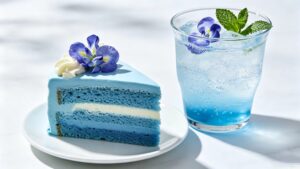
– Baking: Add to flour to make blue cakes, bread, pastries and desserts.
– Daily Diet: Blend into milk, yogurt, oatmeal, bubble tea and sparkling water.
– Raw Material: Widely used in health supplements and natural pigment production.
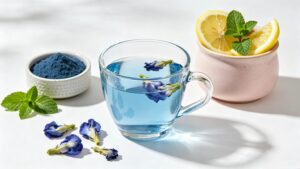
How to Store Butterfly Pea Flower Powder?
Seal tightly and store in a cool, dry and dark place to avoid sunlight, oxidation and color fading. For long-term preservation, refrigerate in a sealed container. Finish as soon as possible after opening to prevent caking and deterioration.
Uses of Butterfly Pea Powder
Butterfly pea powder refers to butterfly pea flower powder. Besides edible applications, it is widely used in DIY crafts, natural plant dyeing and professional catering color matching.
4. Wide Uses of Dried Butterfly Pea Flowers
Dried butterfly pea flowers are most commonly brewed into daily herbal health tea. They are ideal natural colorants for beverages, desserts, pastries and jams. They can also be used for table decoration, tea styling and floral art.
In addition, dried butterfly pea flowers are deeply processed for anthocyanin extraction, powder production and extract manufacturing, serving as premium raw materials for food and health industries.
5. Best Time & Daily Intake of Butterfly Pea Flower Tea
Best Drinking Time
14:00–17:00 is the ideal time to relax stress and soothe nerves. Drinking one hour before bedtime helps with sleep.
Avoid drinking on an empty stomach, early morning or right after meals to prevent stomach irritation and poor digestion.
Daily Consumption
For healthy adults, 1 to 2 cups a day are recommended, with 3–5 dried flowers per cup. People with cold constitutions or sensitive stomachs should reduce intake and drink every other day.
Can I Drink Butterfly Pea Flower Water Every Day?
People with balanced or warm constitutions can drink it daily in moderation. Those with cold constitutions, weak digestion and women during menstruation are not advised for daily consumption.
6. Contraindications: Who Should Avoid Butterfly Pea Flower Tea?
– Pregnant & Breastfeeding Women: Prohibited due to its cold nature and special plant compounds.
– Menstrual Women: May aggravate coldness, dysmenorrhea and poor blood circulation.
– People with Cold Constitution & Weak Stomach: Prone to diarrhea, abdominal pain and cold intolerance.
– Hypotension & Anemia Groups: May cause dizziness and physical weakness.
– People Taking Medication: Consult a doctor before use if taking antihypertensive or sedative drugs.
– Children: Long-term and frequent consumption is not recommended.
Side Effects of Butterfly Pea Flower Powder
No obvious side effects with proper intake. Overconsumption may lead to bloating, diarrhea and stomach cramps. Long-term use by cold constitution groups may cause physical discomfort. A small number of people with plant allergies may have skin itching and rashes; stop use immediately if allergic reactions occur.
7. Butterfly Pea Flower, Kidney Health & Cholesterol
Is Butterfly Pea Flower Good for Kidneys?
Pure natural and non-toxic, moderate intake will not increase kidney burden. Its antioxidant ingredients relieve oxidative stress and provide mild kidney care. It cannot treat kidney diseases, and kidney patients should consult a professional doctor before drinking.
Does Blue Tea Help Lower Cholesterol?
Rich in anthocyanins and flavonoids, butterfly pea flower tea assists lipid metabolism and reduces lipid deposition in blood vessels. Long-term moderate intake helps regulate cholesterol and protect cardiovascular health. It is only an auxiliary dietary solution and cannot replace prescription lipid-lowering medicine.
Butterfly pea flower is a versatile natural health ingredient with unique benefits and clear consumption restrictions. Master its correct dosage, suitable time and taboo groups based on your physical condition, so you can safely enjoy its health benefits and natural beauty.
Butterfly Peer Powdera Flow | 100% Natural Blue Pigment Bulk Supplier