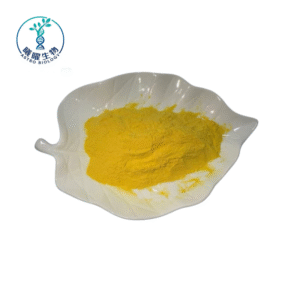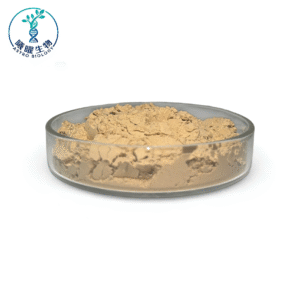
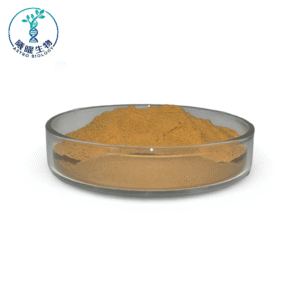
Category: Hot-Selling Extract
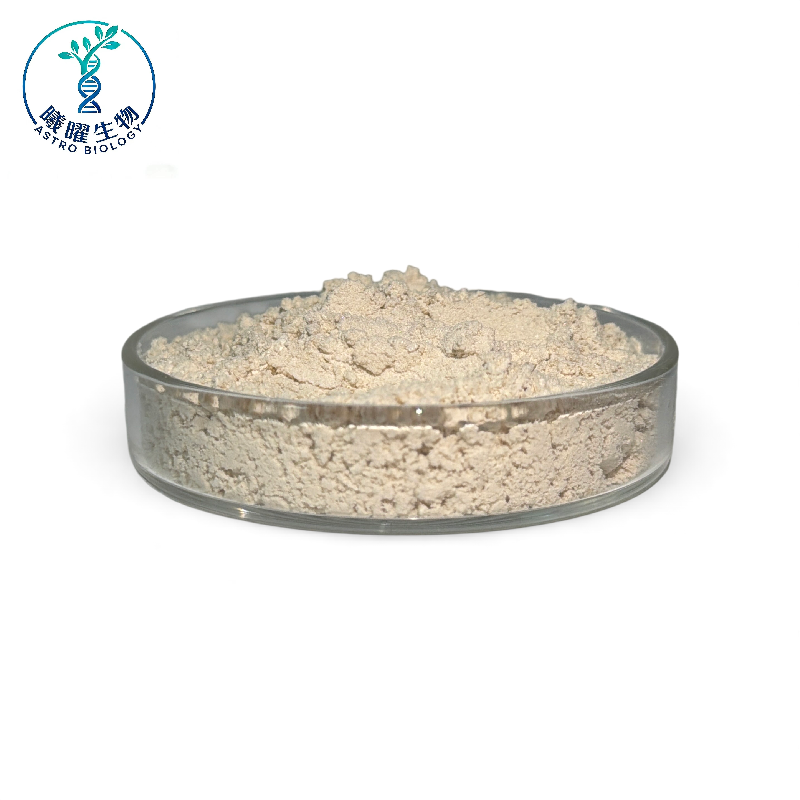
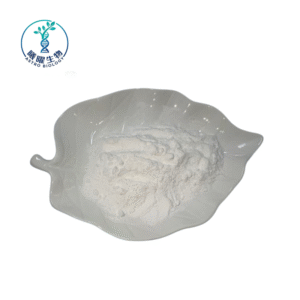
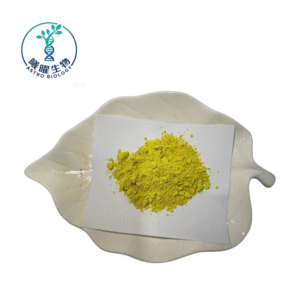
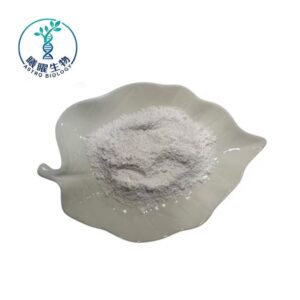
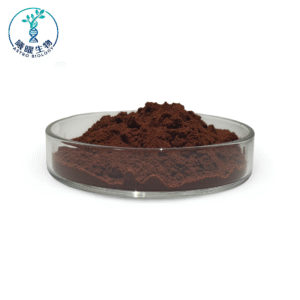
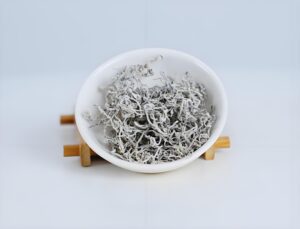
Hangover Vine Tea Extract 98% Dihydromyricetin powder CAS:27200-12-0 Latin name (Ampelopsis megalophylla Diels et Gilg).
Vine Tea, scientifically known as Ampelopsis grossedentata, is a plant primarily distributed across Southwest China, as well as in the provinces of Shaanxi, Gansu, and Hubei.Vine Tea main ingredients include Dihydromyricetin (also known as Ampelopsin), Myricetin, Quercetin, Quercetin-3-O-β-D-glucoside, Taxifolin, and Apiin. Among these, Dihydromyricetin is the principal and most prominent active ingredients
The Mechanism of Dihydromyricetin (DHM) in Alcohol Relief
The anti-alcohol effect of Dihydromyricetin (DHM) is primarily achieved by targeting two core areas: the brain and the liver. Its mechanism can be summarized as “counteracting intoxication in the brain” and “facilitating detoxification in the liver.”
Counteracting Intoxication:
Antagonizing Alcohol’s Anesthetic Effects
Alcohol exerts its inhibitory, sedative, and anesthetic effects by acting on gamma-aminobutyric acid (GABA) receptors in the brain, leading to symptoms like slowed reactions, slurred speech, and loss of balance.
The unique feature of DHM is its ability to bind to GABA receptors in the brain and antagonize the effects of alcohol. This means that even with high blood alcohol levels, DHM helps the brain remain relatively alert, mitigating the impact on the nervous system and providing a “sobering” effect.
Facilitating Detoxification: Accelerating Metabolism
This is the core mechanism. Alcohol (ethanol) is primarily metabolized in the liver through the following process:
Ethanol is broken down into the highly toxic acetaldehyde by alcohol dehydrogenase.
Acetaldehyde is finally converted into harmless water and carbon dioxide by aldehyde dehydrogenase.
DHM accelerates this process and exerts its “detoxifying” effect in two ways:
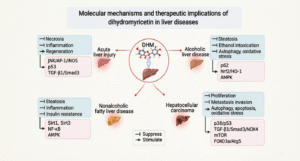
Enhancing Enzyme Activity: DHM effectively increases the activity of aldehyde dehydrogenase. This acts like an upgrade to the liver’s detoxification line, allowing it to break down toxic acetaldehyde faster. This reduces acetaldehyde accumulation, lessens liver damage, and alleviates hangover symptoms.
Inhibiting Harmful Pathways: Chronic or heavy drinking activates the CYP2E1 enzyme, a pathway that generates harmful free radicals and exacerbates liver injury. Studies show that DHM can inhibit CYP2E1 activity, reducing oxidative stress damage to the liver at its source.
Auxiliary Protection: Antioxidant and Anti-inflammatory
Beyond the core mechanisms, DHM protects the liver through the following:
Potent Antioxidant Capacity: As a flavonoid, DHM directly scavenges the massive amount of free radicals produced during alcohol metabolism, reducing oxidative stress.
Reducing Inflammation: Research indicates that DHM downregulates the expression of various inflammatory factors, alleviating alcohol-induced liver inflammation and protecting hepatocytes.
Application:
Functional Additive: Incorporated into sports drinks or energy bars to leverage its anti-fatigue and antioxidant properties.
Anti-aging Skincare: Used in creams and serums to help combat skin oxidation and aging.
Acne Treatment Products: Utilizes its antimicrobial and anti-inflammatory properties to inhibit Cutibacterium acnes (formerly Propionibacterium acnes) and reduce skin redness and inflammation.
Dietary Supplements: Available in the form of capsules, tablets, and oral liquids.