Category: Supplement Ingredients
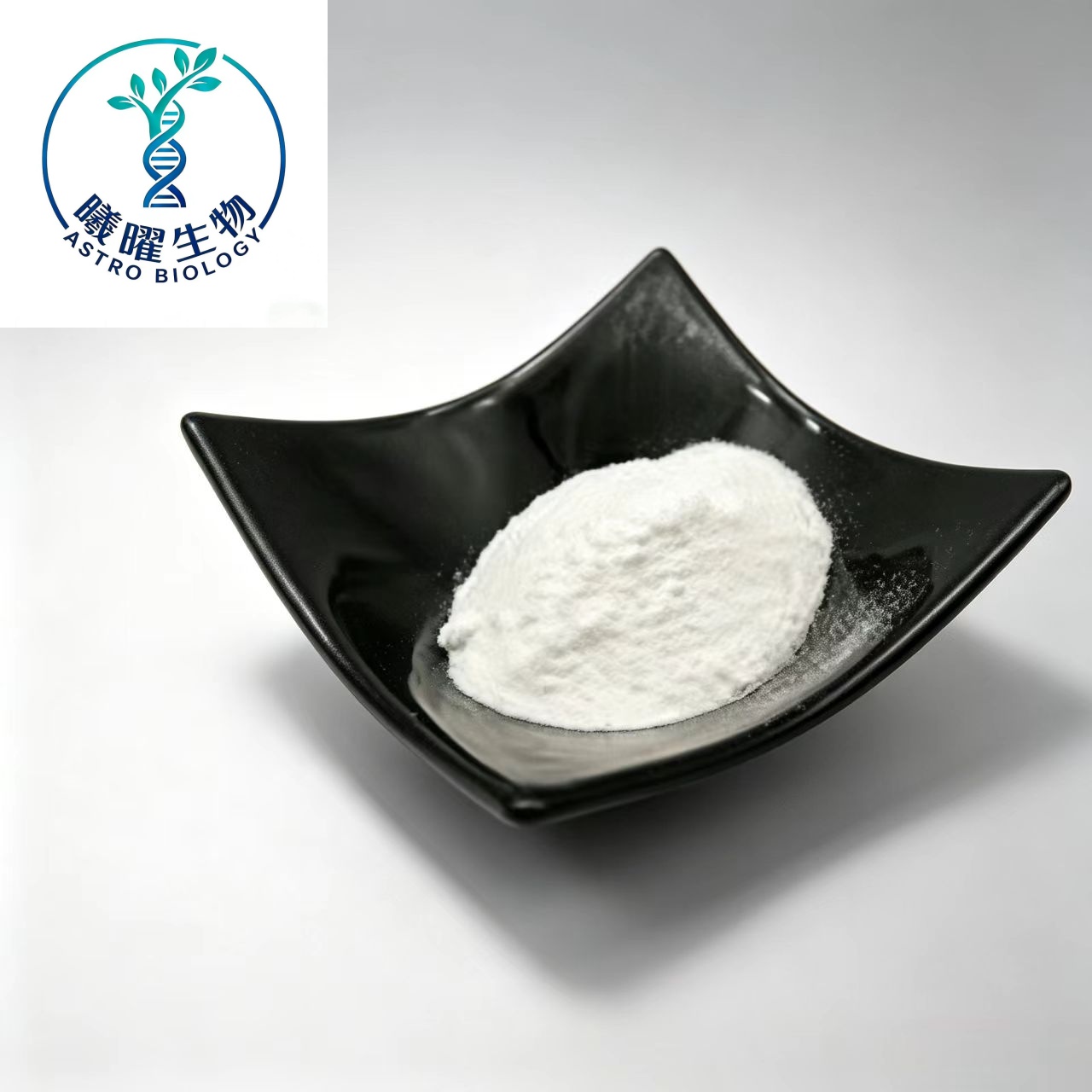
Magnesium L-Threonine CAS 4075-81-4 | 99% High Purity Amino Acid Chelated Magnesium, Food & Feed Grade Nutritional Fortifier For Global Export
Disclaimer: This page is only for B2B raw material selection reference for food processing plants, feed groups and chemical manufacturers. It does not contain any health benefit claims targeting end consumers. All finished product production and export must strictly comply with food, feed and chemical raw material regulations of target countries.
1. Complete Basic Product Specifications
1.1 Core Physical & Chemical Properties
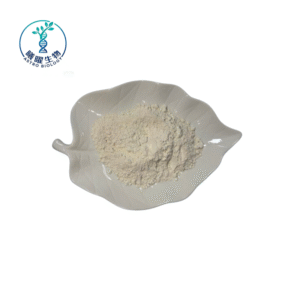
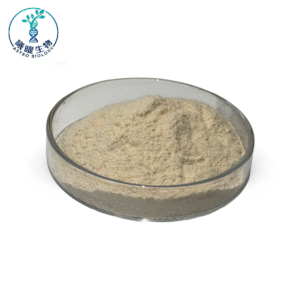
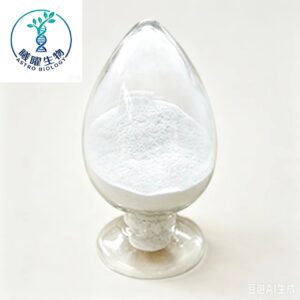
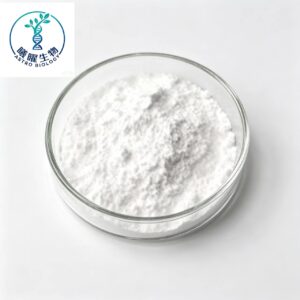
Magnesium L-Threonine is an amino acid chelated magnesium raw material. It combines L-threonine and magnesium ions via chelate bonds with stable chemical structure. It features excellent water solubility and no pungent odor, with strong formula compatibility.
It will not lose efficacy or absorb moisture to agglomerate under high-temperature extrusion, baking or long-term storage conditions, making it a multi-functional mineral raw material suitable for global export formulas across multiple industries.
2. Core Differentiated Advantages Solving Global Buyers’ Sourcing Pain Points
Formulators, breeding farms and chemical manufacturers worldwide have long been plagued by three major operational pain points when using inorganic magnesium such as magnesium sulfate and magnesium oxide:
1. Inorganic magnesium easily reacts with phytic acid and organic acids in food/feed to form precipitates, leading to extremely low mineral utilization rate. Higher dosage raises raw material costs;
2. Inorganic salts absorb moisture and agglomerate severely, blocking automatic mixing equipment and increasing production line loss;
3. Unstable heavy metal control and incomplete test documents make it hard to pass customs import audits in Europe and America.
99% Magnesium L-Threonine perfectly addresses the above troubles with four export-oriented core strengths:
1. High-absorption Chelate Structure to Cut Overall Formula Cost
The chelate molecule avoids interference from phytic acid in raw materials. Both magnesium ions and L-threonine can be absorbed simultaneously by organisms. To achieve the same nutritional effect, its dosage is 30%-50% lower than inorganic magnesium, greatly reducing long-term procurement expenditure.
2. Superior Physical & Chemical Stability For Fully Automatic Production Lines
The powder flows well and resists caking. It remains stable during baking, extrusion and high-temperature synthesis, without damaging food flavor, feed nutrition or the basic structure of chemical materials.
3. Dual Grades Cover All Demands, Simplify Supply Chain Management
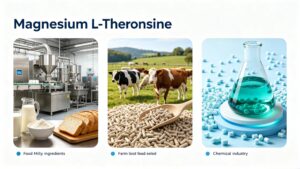
It serves three major application purposes: food nutrition fortification, mineral supplementation for livestock feed and auxiliary agent for chemical synthesis. Buyers only need one supplier to support multiple production lines including food, breeding and chemical industry.
4. Full Set of Export Compliance Certificates For Smooth Global Customs Clearance
Food grade and feed grade products meet China GB standards, US FCC standards and EU food raw material specifications. Each batch is attached with COA test report and MSDS safety data sheet. We support Kosher and Halal international certification docking, suitable for import filing in North America, Southeast Asia, EU and other regions.
3. Segmented Application Fields Across All Industries
3.1 Food Industry
As a compliant food nutritional fortifier, it is widely applied in solid meal replacement powder, dairy products, baked pastries and functional drinks:
– Supplement dietary magnesium to boost the nutritional value of finished food;
– Gently enhance natural food flavor without bitter metallic taste;
– Excellent water solubility, no turbidity or precipitation in beverage systems.
Practical Tip: The limit of allowed dosage varies in food additive regulations of different countries. Small-batch formula tests are strongly recommended before mass production to comply with local laws.
3.2 Livestock & Aquatic Feed Industry
Feed Grade Magnesium L-Threonine fits premix and compound feed for pigs, chickens, cattle, sheep, fish and shrimp:
It supplies essential trace magnesium for breeding animals, optimizes feed intake and bone development, improves feed conversion efficiency and meat quality, and reduces loss in large-scale farming.
3.3 Chemical, Plastic & Rubber Industrial Fields
1. Modifying additive for plastic, rubber and coating: Improve product toughness and oxidation resistance, strengthen physical and chemical stability of finished materials;
2. Organic chemical intermediate: Used as mild catalyst and basic raw material for chemical synthesis, with fewer reaction by-products and lower purification cost.
3.4 Emerging R&D Application in Textile Industry
There are no large-scale standardized textile applications at present. With the iteration of functional textile materials, this product can be used as raw material for new textile auxiliary agent R&D, suitable for independent sample testing and new formula development by chemical enterprises.
4. Global Supply Advantages of Our Source Factory
1. Strict Batch Quality Control: Every batch undergoes independent third-party HPLC testing with exclusive COA reports to guarantee stable indicators and zero adulteration;
2. Complete International Export Documents: GMP production qualification, ISO system certification and food production license are fully available to meet customs clearance audit requirements of all countries;
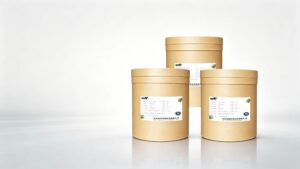
3. Flexible Procurement Modes: Samples of 100g-1kg for formula R&D test, standard 25kg fiber drum bulk orders and full-container shipments are all acceptable. Custom export outer packaging labels are supported;
4. Year-round Constant Temperature Stock: Thousands of tons of spot goods in storage all year long. We accept long-term annual framework orders from overseas customers to guarantee stable delivery time and avoid production line shutdown;
5. Free Bilingual Technical Support: Provide Chinese & English formula dosage reference sheets, online real-time consultation on formula compounding and cross-border import compliance issues.
Message on this page or email our foreign trade specialist to get test samples, the latest factory quotation and complete English specification datasheet.
5. Standard Storage & Processing Operation Specifications
1. Storage Requirements: Keep packages fully sealed and store in cool & dry warehouse; separate from oxidants, strong acids and strong alkalis;
2. Storage Taboos: Avoid long-term direct sunlight and high-temperature storage. Use up packages quickly once opened to prevent moisture caking;
3. Processing Operation: Mix evenly during feeding on all production lines; compatible with vitamins, other amino acids and mineral additives;
4. Pre-export Production Reminder: Food and feed control standards differ by country. Complete small sample tests before mass production to confirm compliance and application effect.
6. Frequently Asked Global Sourcing Questions
Q1: What is the core difference between Magnesium L-Threonine and magnesium sulfate / magnesium oxide?
A: Magnesium sulfate and magnesium oxide are inorganic ionic magnesium, which easily form insoluble precipitates with phytic acid in raw materials and have low bioavailability, leading to high addition cost. Magnesium L-Threonine features a stable amino acid chelate ring structure free from formula interference, with drastically improved absorption efficiency while supplementing extra L-threonine, ideal for high-end exported food and feed formulas.
Q2: Can 99% purity Magnesium L-Threonine be exported to Europe and America? Is it compliant?
A: Heavy metal and harmful residue indicators meet FCC and EU feed additive control specifications. Complete test documents and international certifications support import filing and customs inspection in North America and EU countries.
Q3: Do you provide free test samples? What is the minimum order quantity?
A: Small-sized samples are available for overseas formulators’ R&D testing. We offer flexible order thresholds for both lab trial samples and full-container bulk export long-term cooperation.
Q4: Apart from food and feed, what other industrial products can Magnesium L-Threonine be applied to?
A: It can be used as modifying additive for plastic, rubber and coating, and catalyst for organic chemical synthesis. There are no mature mass-production solutions for textile industry; independent small sample R&D of new formulas is recommended for enterprises.